Flooring Systems That Match How Buildings Work
Complete Flooring Services in Cos Cob for properties requiring hardwood, engineered materials, refinishing, or repairs
Flooring selection depends on subfloor type, room location, and whether the space sits above conditioned or unconditioned areas—solid hardwood expands and contracts with seasonal humidity changes, engineered hardwood uses cross-layered construction to resist movement in below-grade or high-moisture environments, and luxury vinyl plank offers waterproof installation where spills and moisture are routine. MP Hardwood Flooring INC handles installation, refinishing, and repairs for residential and commercial properties in Cos Cob where flooring must perform under different conditions. When existing floors show finish wear, surface scratches, or structural issues like cupping or gaps, the decision between refinishing and replacement depends on remaining wood thickness and whether the floor system itself has failed.
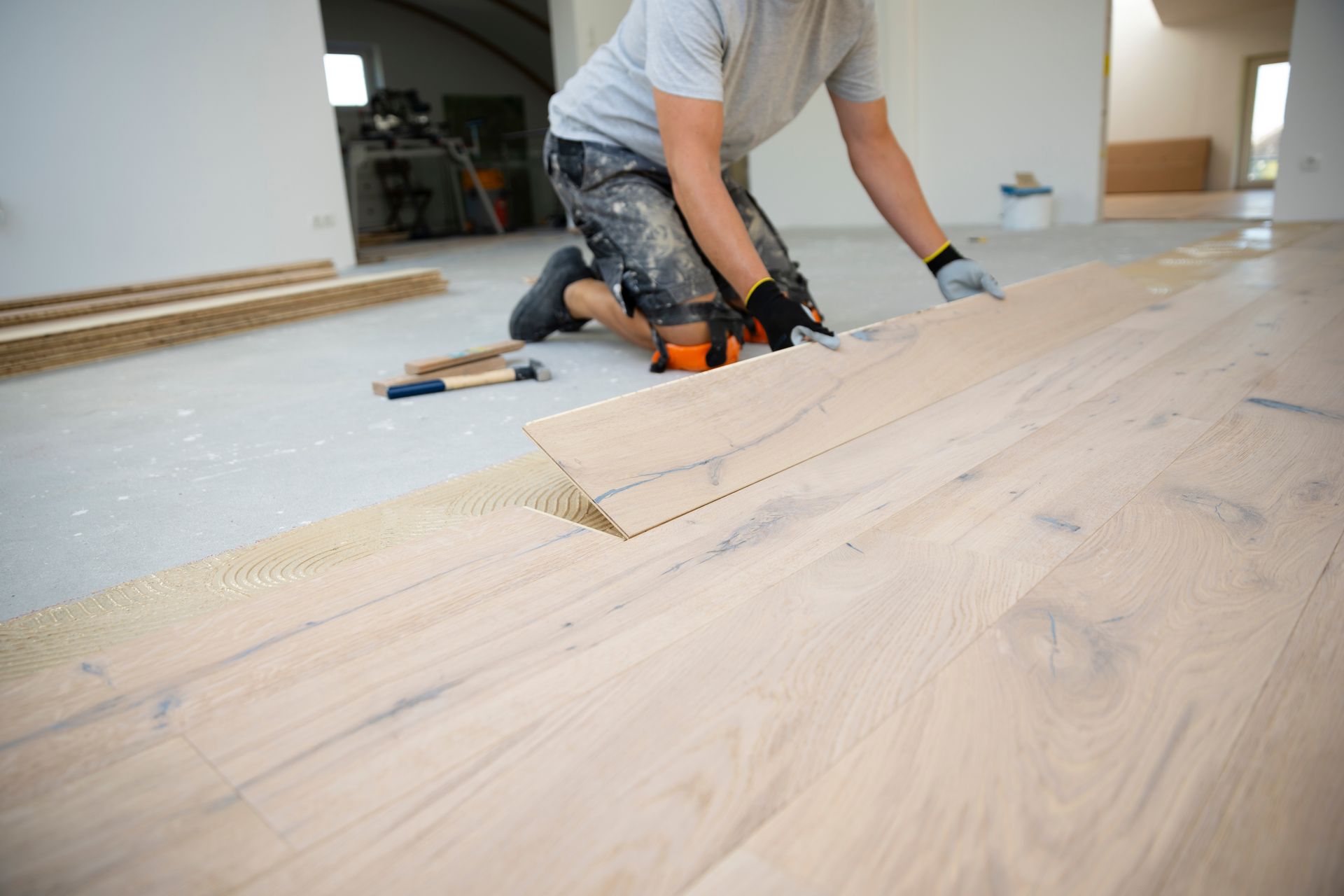
Installation involves acclimating materials to the interior environment for several days before work begins, preparing subfloors to flatness tolerances specific to each flooring type, and selecting fastening methods—nails for solid wood over wood subfloors, glue for engineered products over concrete, and floating installations for LVP. Refinishing removes the existing finish and a thin layer of wood through sanding, then applies new stain and protective topcoats, which only works when sufficient wood thickness remains above the tongue-and-groove joinery.
Arrange a property evaluation to determine which flooring type fits your subfloor conditions and usage patterns.
What Proper Flooring Installation Requires
Each flooring type requires specific subfloor preparation—solid hardwood needs wood subfloors with moisture content within two percentage points of the flooring itself, engineered hardwood tolerates concrete subfloors if a moisture barrier is installed, and LVP requires perfectly flat surfaces since any imperfection telegraphs through the thin planks. Fastening methods change depending on whether you're working over plywood, OSB, concrete, or existing flooring, and each method affects how the floor responds to building movement.
Once installation is complete, you'll notice that floors sit level at transitions between rooms, there's no hollow sound when walking across properly fastened sections, and seasonal gaps stay within expected ranges rather than opening wide enough to catch debris. Refinished floors look uniform in color and sheen without streaking or areas where stain didn't penetrate evenly, and repaired sections blend with surrounding boards in height and finish.
New construction flooring gets installed after drywall and painting are finished to avoid damage from other trades, but before cabinetry in kitchens so floors run continuously under base cabinets. Floor removal adds disposal time and may reveal subfloor damage that wasn't visible until the old material came up, which can extend project timelines if underlying repairs are needed.
Answers to Frequent Service Questions
Clients ask about material differences, refinishing limitations, and how installation methods affect long-term performance.
What's the functional difference between solid and engineered hardwood beyond cost?
Solid hardwood can be refinished multiple times since it's wood throughout its thickness, but it can't go below grade or directly on concrete due to moisture sensitivity. Engineered hardwood uses a thin hardwood veneer over plywood layers, which resists moisture-related movement and works in basements or over radiant heat, but limits how many times it can be refinished based on veneer thickness.
How do you know if a floor can be refinished or needs replacement?
If the existing floor has been sanded down to where the tongue-and-groove edges are nearly exposed, or if boards are cupped or warped from moisture damage, refinishing won't solve structural problems. Floors with adequate thickness and flat, stable boards are candidates for refinishing, which removes surface damage and applies fresh finish.
When does LVP make sense compared to hardwood in residential spaces?
Luxury vinyl plank works in moisture-prone areas like bathrooms, laundry rooms, or finished basements where hardwood would be at risk, and it installs over most existing subfloors without extensive prep. It's waterproof and requires no refinishing, but it can't be sanded or repaired like hardwood—damaged planks get replaced individually.
How does flooring installation differ for commercial properties compared to residential?
Commercial installations often require faster-curing adhesives to minimize downtime, more durable finish products rated for high foot traffic, and coordination with business hours to avoid disrupting operations. Material selection leans toward engineered or LVP products that handle wear and moisture better than solid hardwood in public-access environments.
What affects whether floors develop gaps or cupping after installation in Cos Cob?
Connecticut's seasonal humidity swings cause wood to expand in summer and contract in winter, so proper acclimation before installation and maintaining indoor humidity between thirty and fifty percent year-round reduces extreme movement. Subfloor moisture issues or improper fastening also contribute to cupping and gaps that exceed normal seasonal variation.
MP Hardwood Flooring INC evaluates subfloor conditions, moisture levels, and room use to recommend flooring types and installation methods that match how your building operates. Contact the office at (914) 494-0236 to schedule an assessment for installation, refinishing, or repair projects.