Fixing Damage Without Full Refinishing
Hardwood Floor Repair & Restoration in Greenwich for isolated damage that doesn't require sanding the entire floor
Water leaks leave dark staining and warped boards in localized areas, pets scratch through the finish down to bare wood near doorways, and furniture impacts create dents or gouges that catch your eye every time you walk past. These problems don't justify refinishing hundreds of square feet when the damage concentrates in a few boards or small sections. MP Hardwood Flooring INC repairs damaged hardwood floors in Greenwich by replacing individual boards, filling gouges with tinted wood filler, and blending repair areas into surrounding surfaces so the fix becomes nearly invisible once completed.
Board replacement involves cutting out damaged pieces without disturbing adjacent planks, which requires removing the tongue portion of the replacement board so it drops into place from above rather than sliding in from the side. Matching existing hardwood means finding the same species, similar grain patterns, and applying stain that blends with the aged color of surrounding boards, since new wood looks lighter and less amber than flooring installed years ago. Squeaky floors get addressed by screwing through the subfloor into floor joists from below, or by driving finish nails at angles through board faces into the subfloor when basement access doesn't exist.
Schedule a repair assessment to identify damaged boards and determine whether spot fixes or broader restoration makes sense for your floor.
What Changes After Repairs Complete
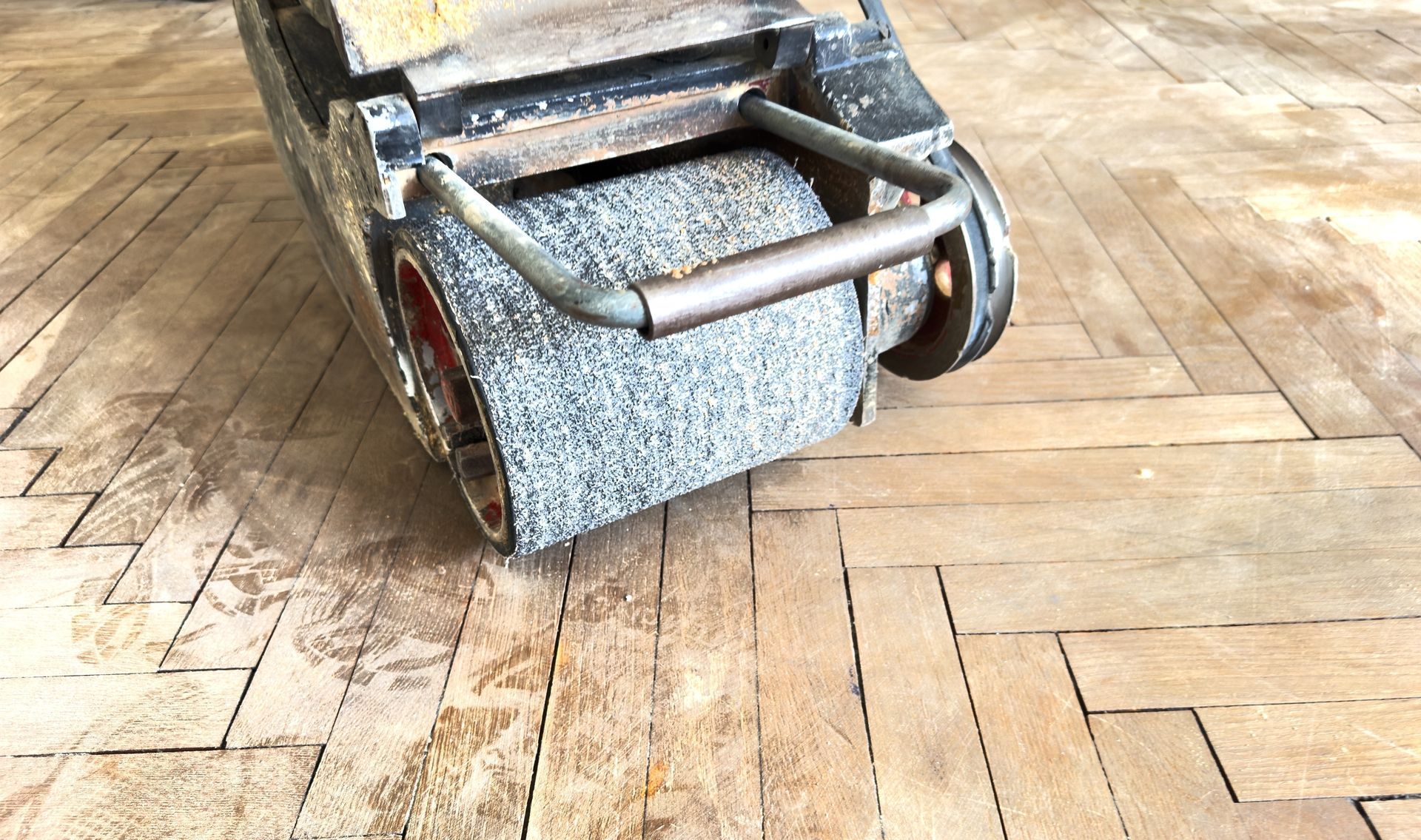
Wood filler products range from latex-based compounds that work for shallow scratches to two-part epoxy systems that harden enough for structural repairs in boards with missing chunks or split ends. Color-matching involves mixing filler tints or applying stain markers after the filler cures, then topcoating with finish that matches the sheen level of surrounding areas. Pet damage often penetrates deeper than surface scratches because claws compress and tear wood fibers, requiring light sanding to remove the torn material before finish application restores the protective coating.
Once repairs finish, replaced boards sit flush with surrounding surfaces and the grain orientation matches the rest of the floor, though slight color variation remains visible until the new wood ages and darkens over months of UV exposure. Deep gouges that were distracting focal points disappear under wood filler that's been sanded smooth and finished, and water-stained areas either get fully replaced if the boards warped or get sanded and refinished locally if the staining stayed superficial. Squeaks stop because fasteners now hold the floor tight to the subfloor structure underneath, eliminating the movement that caused boards to rub and creak.
Restoration work includes finish application over repaired areas using brushes or blending techniques that feather the new finish into old, but does not include full-room refinishing unless damage covers more than thirty percent of the floor area. Water damage repair addresses visible board problems but does not include subfloor replacement or mold treatment if moisture caused structural rot underneath the hardwood layer.
What Property Owners Usually Ask
Repair options depend on the damage extent and whether your floor has been refinished multiple times already.
How do you match replacement boards to existing hardwood that's decades old?
Matching involves sourcing the same species and plank width, then applying stain tests on scrap pieces to replicate the aged color, though perfect matches rarely happen because old-growth wood grain differs from modern lumber and UV exposure has darkened the existing floor over time.
What water damage situations require board replacement versus sanding and refinishing?
Boards that cupped, crowned, or buckled from moisture exposure need replacement because the wood structure permanently deformed, while surface staining without shape changes can often be sanded away if the discoloration didn't penetrate deeper than one-eighth inch.
Can engineered hardwood floors be repaired the same way as solid wood?
Engineered floors with thick wear layers allow for light sanding and finish reapplication, but the thin veneer construction limits how many times repairs can happen, and board replacement requires careful removal to avoid delaminating adjacent planks during the cut-out process.
What causes squeaky floors in Greenwich homes and how are they fixed?
Squeaks develop when floorboards separate slightly from the subfloor underneath and rub against fasteners or adjacent boards during deflection, often due to seasonal humidity changes that cause wood movement, and repairs involve adding screws through the subfloor into joists or face-nailing boards where access from below isn't possible.
How soon after water damage occurs should repairs happen?
Board replacement works best after the floor fully dries and stabilizes—typically two to four weeks depending on the moisture extent—because wood dimensions change during drying and premature repairs can leave gaps or create new buckling as the surrounding boards finish shrinking.
MP Hardwood Flooring INC handles hardwood floor repairs throughout Greenwich with attention to color matching and blending techniques that minimize visible evidence of the work. Contact us to evaluate your damaged areas and review repair options that restore appearance without unnecessary refinishing.